Your team

Meet the Forehead Line Team

This site is led and medically reviewed by Ke He, MD, whose practice is the assessment of the forehead as a single problem of muscle and skin, and who is responsible for the medical content. The other three physicians contribute what an assessment of this area often needs: the center’s surgical standards and its experience of revision after treatment that changed a brow position, the surgical assessment of a brow that has genuinely descended, and the dermatologic reading of the skin the lines are etched into, including the lesions on this exposed area that need a diagnosis rather than a cosmetic opinion.

Specialist profiles

Who reviews this content

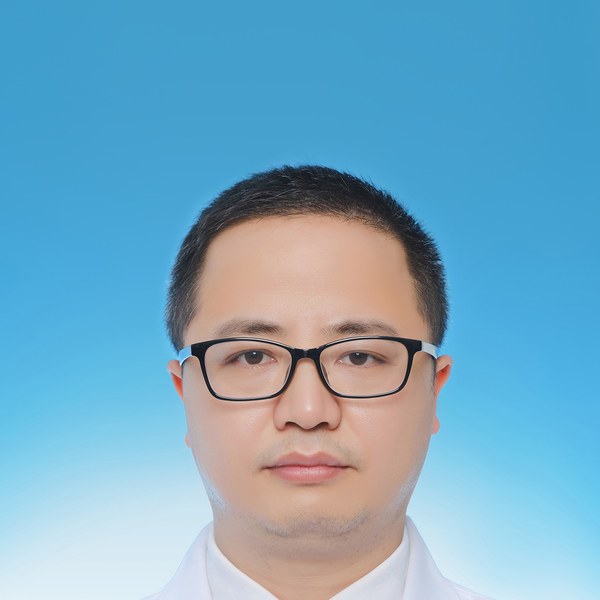
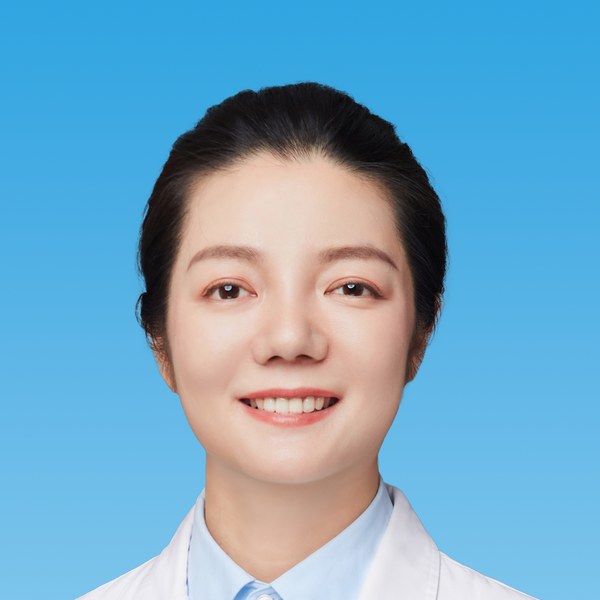
Ke He

Ke He (何锞)

Deputy Director & Head of Skin & Laser Aesthetics · Attending Physician, Licensed Aesthetic Attending · Lead Physician of This Site

The frontalis read together with brow position · the etched line and the skin it sits in · botulinum toxin and the trade it makes

Dr. Ke He is Deputy Director of the Plastic Surgery & Aesthetics Medical Center at Chongqing West District Hospital and head of its skin and laser aesthetic service — and she is the lead physician of this site. A core specialist formerly at the Plastic and Aesthetic Surgery Department of Xinqiao Hospital, affiliated with Army Medical University, she has worked on the clinical front line in skin laser and injectable aesthetics for more than 20 years, serving over ten thousand patients.

On this site her part is reading a horizontal line together with the brow that produced it, because the same muscle that folds the skin across is the one holding the brow up. She records brow height at rest before anything is offered, separates how much of a line is movement from how much has moved into the skin, and treats the two as different questions with different rungs. Where the examination shows a brow that is already low, or a crease that has reached the floor of what the skin will give back, she says so rather than treating it — and her stated discipline is that relaxing a brow-lifting muscle is a decision about brow position as much as about lines.

Clinical focus

  • The frontalis and brow position assessed as one problem rather than two
  • Brow height at rest recorded before any muscle treatment is planned
  • Separating the movement component of a line from the etched skin component
  • The skin rungs for etched lines: resurfacing, microneedling and peel categories
  • Saying when the honest answer is to leave the forehead alone

Academic roles & achievements

  • Member, Laser Medicine Group, Chinese Medical Association Plastic Surgery Branch
  • Member, Facial Rejuvenation Group, Chinese Medical Association Plastic Surgery Branch
  • Member, Chongqing Plastic Surgery Quality Control Center
  • Published 5 papers, holds 5 national patents, and introduced 2 new clinical techniques

A brow-lifting muscle, read before it is relaxed

The frontalis does two jobs with one contraction: it folds the skin across and it holds the brow up. Relaxing it is therefore never only a decision about lines. The brow is measured at rest first, because once the muscle stops pulling, the position it was holding is the position you are left with, and that cannot be undone in the same visit.
Shaoliang Wang

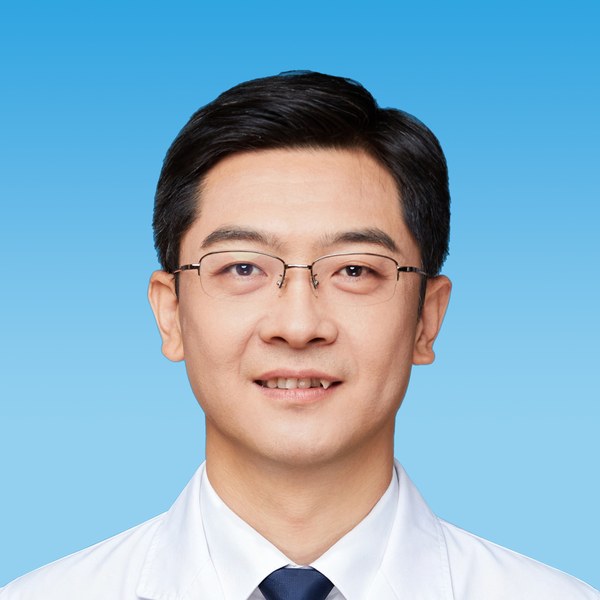
Shaoliang Wang (王韶亮)

Director, Plastic Surgery & Aesthetics Medical Center · Vice Chief Physician, Associate Professor, Doctor of Medicine

Center leadership · surgical standards and complex revision

Dr. Shaoliang Wang is Director of the Plastic Surgery & Aesthetics Medical Center at Chongqing West District Hospital. Within the team he provides the surgical perspective and the tertiary-hospital backstop — the assessment when an operation is the honest answer, and the hospital-level care for the rare complication that needs it.

Within this site his part is the standard a plan has to meet and the backstop behind it. Where a previous treatment has left a brow sitting lower, a forehead uneven, or a filler placed in a crease that is now visible under light, that assessment is usually made within his part of the service.

Clinical focus

  • Center leadership and multidisciplinary case review
  • Surgical assessment when an operation is the honest answer to descent or excess skin
  • Hospital-based care for the rare complication that needs theatre-level management
Tongchun Mao

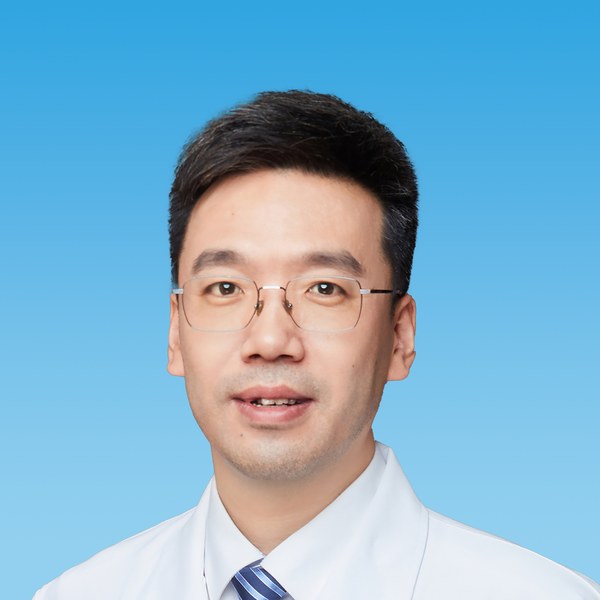
Tongchun Mao (毛彤春)

Deputy Director & Head of Aesthetic Surgery · Vice Chief Physician, Licensed Aesthetic Attending

Facial surgery · brow position and the upper face

Dr. Tongchun Mao is an aesthetic surgeon within the Plastic Surgery & Aesthetics Medical Center at Chongqing West District Hospital. Within the team his role is refinement and honest referral: he is the person who says so when an operation will do better than an injectable or a device.

Within this site his part is the question of descent rather than of lines: whether the brow has genuinely come down, whether the upper lid is being weighed on by skin the brow can no longer lift, and whether an operation would answer the complaint that injections were being asked to answer.

Clinical focus

  • Aesthetic surgical assessment and refinement of contour and asymmetry
  • Honest referral when surgery outperforms a course of injections
  • Shared case planning within the four-physician team
Yongbo Jia

Yongbo Jia (贾勇波)

Deputy Director & Head of Dermatology · Vice Chief Physician, Licensed Aesthetic Attending

Dermatology · the skin on the forehead and what sun has done to it

Dr. Yongbo Jia is a dermatologist within the Plastic Surgery & Aesthetics Medical Center at Chongqing West District Hospital. Within the team his role is medical skin assessment — diagnosing and managing pigment and barrier conditions, and treating skin that a device or an injection has irritated.

Within this site his part is the skin that the lines are etched into: photoaging, dryness, irregular pigment, and the diagnosis of a spot on the forehead that bleeds, crusts or fails to heal. That last finding is a medical matter rather than a cosmetic one, and it sits in his part of the service.

Clinical focus

  • Medical skin assessment behind injectable treatment plans
  • Diagnosis and management of pigment and barrier conditions
  • Dermatologic care of skin after irritation or a delayed reaction

How much of your line is movement, and how much has moved into the skin?

An assessment looks at the forehead at rest and then in movement, records where the brow sits once the frontalis is relaxed, and says plainly what each option could change for you. Where the honest answer is that your forehead is better left alone, we will say so.

Contact the Team